

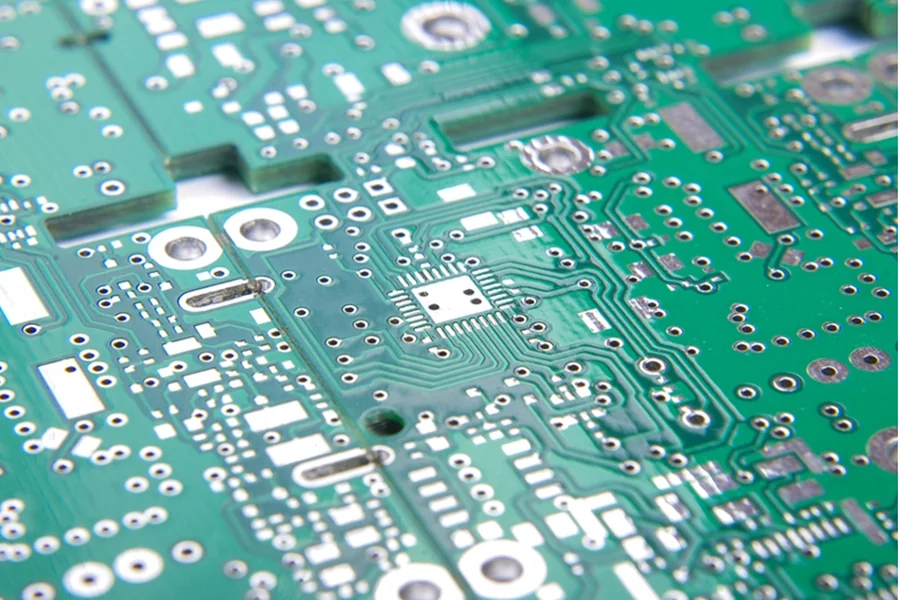
Heating, ventilation, and air conditioning (HVAC) systems are essential for maintaining comfort and air quality in residential, commercial, and industrial environments. As these systems grow more complex and energy-efficient, their functionality depends heavily on the HVAC circuit board—the central controller that manages various operations, from regulating temperature and humidity to controlling fans, compressors, and safety mechanisms.
In the past, HVAC systems relied on mechanical switches and relays. Today, modern units use sophisticated electronics to monitor and adjust conditions with greater precision. At the core of this transformation is the HVAC circuit board, which acts as the brain of the system. Manufacturers like Viasion Technology Co. Ltd play a critical role in supplying the advanced circuit boards that keep HVAC systems running efficiently and reliably.
What Is an HVAC Circuit Board?
An HVAC circuit board is a printed circuit board (PCB) designed specifically for heating, ventilation, and air conditioning systems. It manages the electrical signals between various system components, such as thermostats, sensors, motors, relays, and communication interfaces. By processing input signals and executing pre-programmed commands, the circuit board ensures that the HVAC system operates according to the user’s preferences and environmental conditions.
In simple terms, the HVAC circuit board tells the system when to start or stop heating or cooling, when to activate safety protocols, and how to maintain optimal performance. Without a functioning circuit board, even the most robust HVAC system would be unable to perform its tasks correctly.
Key Functions of an HVAC Circuit Board
The HVAC circuit board performs several critical functions. It receives signals from the thermostat and translates them into commands for the compressor, blower motor, and fans. It also interfaces with temperature and pressure sensors to make real-time adjustments, ensuring the system maintains the desired indoor climate efficiently.
Another essential role of the HVAC circuit board is to manage safety features. This includes monitoring system pressure, detecting flame sensors in gas furnaces, and handling shutdown sequences when a fault or error is detected. These built-in protections help prevent overheating, electrical failure, or dangerous gas leaks.
Advanced HVAC circuit boards also support smart connectivity features. In modern systems, they enable remote diagnostics, system updates, and communication with smart thermostats or building management systems. These capabilities improve energy efficiency, reduce maintenance costs, and enhance overall system reliability.
Challenges in HVAC Circuit Board Design and Manufacturing
Designing and manufacturing HVAC circuit boards comes with its own set of challenges. These boards must operate in varying temperature environments, ranging from cold outdoor units to hot attic installations. Therefore, material selection and thermal management are critical to ensuring long-term reliability.
In addition to thermal resistance, the board must be designed to withstand humidity, dust, and electrical noise—conditions commonly found in HVAC enclosures. Engineers must also consider electromagnetic interference (EMI) and implement design strategies to prevent signal disruption between components.
Space constraints can also impact the design. As HVAC units become more compact, circuit boards must provide more functionality within limited physical dimensions. This often involves multi-layer PCB construction, compact component placement, and surface mount technology to reduce board size without compromising performance.
Because HVAC systems are part of essential infrastructure, reliability is non-negotiable. A malfunctioning HVAC circuit board can lead to costly downtime, service calls, and customer dissatisfaction. That’s why choosing a proven manufacturer with experience in producing high-performance boards is so important.
How Viasion Technology Co. Ltd Supports the HVAC Industry
With extensive experience in custom PCB manufacturing, Viasion Technology Co. Ltd is a trusted provider of reliable and durable HVAC circuit boards. The company collaborates with HVAC equipment manufacturers to develop tailored PCB solutions that meet the exact specifications of modern climate control systems.
Viasion Technology Co. Ltd leverages its technical expertise to deliver circuit boards designed to operate in harsh environmental conditions while maintaining long-term reliability. Their team works closely with clients to understand the system requirements and ensure that every board is optimized for power control, signal processing, thermal performance, and mechanical durability.
Whether the application is a residential HVAC unit or a commercial rooftop system, Viasion provides the right mix of design support, quality manufacturing, and fast turnaround to keep development cycles on track. Their ISO-certified facilities and comprehensive testing protocols ensure that every HVAC circuit board meets industry performance and safety standards.
In addition to standard PCBs, Viasion offers flexible and rigid-flex PCB solutions for space-constrained applications, enabling more compact and versatile HVAC control systems. Their ability to provide small-batch prototypes and full-scale production runs makes them an ideal partner for companies seeking agility and reliability in their supply chain.
Conclusion
HVAC circuit boards are the core of today’s heating and cooling systems, enabling advanced automation, precise environmental control, and improved energy efficiency. As HVAC technology continues to evolve, the role of the circuit board becomes even more critical in ensuring that systems perform consistently, safely, and efficiently.
That’s why Viasion Technology Co. Ltd is a trusted supplier of HVAC circuit boards, known for their engineering precision, manufacturing excellence, and deep understanding of industry-specific challenges. With a focus on quality, customization, and long-term performance, Viasion supports HVAC manufacturers in delivering smarter, more reliable systems to meet the demands of both residential and commercial environments.
