

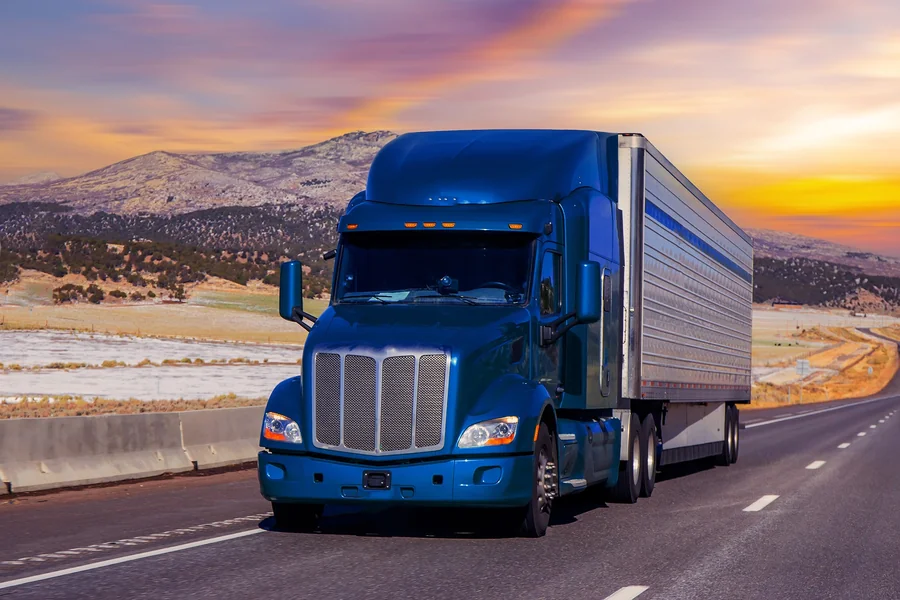
If you look at the products around you right now—your phone, the food in your kitchen, the clothes you’re wearing—it’s easy to forget how they got there. Behind nearly every item sits a vast, invisible system that makes modern life possible. At the center of that system is trucking: the industry that quietly but constantly moves goods across cities, countries, and continents. While ships cross oceans and planes fly through the skies, it is trucks that complete the most important and complex part of the journey—getting goods from where they arrive to where people actually use them.
Trucking is often called the backbone of commerce, and for good reason. Without it, supply chains would stall, store shelves would empty, and entire economies would slow down. It is not glamorous, and it rarely makes headlines, but it is essential to how the world works.
The Final Mile That Matters Most
One of the simplest ways to understand trucking’s importance is to think about the “last mile.” Even when goods travel long distances by ship, train, or plane, they almost always end their journey in a truck. This last leg is what delivers products to supermarkets, warehouses, factories, hospitals, and homes.
Imagine a shipment of fresh fruit arriving at a port. Without trucks, that fruit would sit there and spoil. Or think about medical supplies arriving at an airport during an emergency. Speed and precision matter, and trucks are the only mode of transport flexible enough to deliver directly to the places that need them.
This “last mile” is often the most expensive and complicated part of logistics. Roads change, traffic conditions vary, and delivery points are spread out across cities and rural areas. Trucks solve this problem by being adaptable. They can go almost anywhere there is a road, making them uniquely suited for the final stage of delivery.
A Network That Never Stops
Trucking operates like a living network that never truly sleeps. Thousands of vehicles are on the road at any given moment, moving everything from raw materials to finished goods. This continuous movement is what keeps supply chains flowing smoothly.
Factories depend on trucks to deliver parts so production lines don’t stop. Retail stores rely on them to restock inventory. Farmers use them to transport crops to processing facilities. Even online shopping—something people often associate with the internet—depends heavily on trucking. When someone clicks “buy now,” a truck is often the one that eventually delivers the package.
Reliable heavy-duty truck tyres are essential for keeping these deliveries safe and on schedule across long distances and varying road conditions.
This constant movement requires coordination on a massive scale. Logistics companies plan routes, monitor traffic, manage fuel efficiency, and ensure that deliveries arrive on time. Modern technology like GPS tracking and route optimization software has made this system even more efficient, allowing trucks to respond quickly to changes and avoid delays.
The People Behind the Wheel
While technology plays a big role in modern trucking, the industry ultimately depends on people—especially drivers. Truck drivers are responsible for safely transporting goods across long distances, often spending hours or days on the road.
It is a job that requires patience, focus, and resilience. Drivers deal with traffic, weather changes, tight schedules, and long stretches away from home. Despite these challenges, they form one of the most essential workforces in the global economy.
Without truck drivers, supply chains would collapse almost instantly. Grocery stores would run out of food within days. Hospitals would face shortages of critical supplies. Factories would be forced to shut down production lines. Their role may not always be visible, but it is absolutely fundamental.
Fueling Global Trade
Trucking is not just about local deliveries—it is a key link in global trade. When goods arrive at ports after being shipped from overseas, trucks are responsible for distributing them inland. This connection between international shipping and local markets is what makes global commerce possible.
For example, a smartphone might be manufactured in one country, assembled in another, shipped across an ocean, unloaded at a port, and then transported by truck to warehouses and stores around the world. At every stage, trucking bridges the gap between large transport hubs and everyday consumers.
This interconnected system allows businesses to operate on a global scale. Companies can source materials from one part of the world and sell products in another, knowing that trucking networks will connect the dots.
Technology Transforming the Industry
While trucking has existed for over a century, it has changed dramatically in recent years. Technology is reshaping how goods are transported and how logistics companies operate.
Modern trucks are equipped with advanced navigation systems, sensors, and real-time tracking tools. These systems help drivers find the fastest routes, avoid traffic, and reduce fuel consumption. Fleet managers can monitor vehicles in real time, ensuring that deliveries stay on schedule.
Automation is also beginning to play a role. While fully self-driving trucks are still being tested and developed, semi-automated systems already assist drivers with safety features like lane control and collision warnings. These innovations aim to make trucking safer, more efficient, and more sustainable.
Digital logistics platforms have also transformed how shipments are coordinated. Instead of relying on phone calls and paper schedules, companies now use software that matches loads with available trucks instantly. This reduces wasted time and improves efficiency across the entire supply chain.
Environmental Challenges and Solutions
Like many industries, trucking faces environmental challenges. Trucks consume large amounts of fuel, which contributes to carbon emissions. As global attention shifts toward sustainability, the trucking industry is under pressure to become cleaner and more efficient.
In response, companies are investing in electric trucks, alternative fuels, and more efficient route planning. Electric trucks, in particular, are gaining attention as a potential solution for reducing emissions in urban deliveries. Meanwhile, improvements in aerodynamics, engine efficiency, and logistics planning are helping reduce fuel consumption in traditional vehicles.
Sustainability is becoming a major focus for the future of trucking, as governments and companies work together to reduce the environmental impact of transportation without slowing down the flow of goods.
The Economic Engine of Nations
Trucking is not just an industry—it is an economic engine. It supports millions of jobs worldwide and enables virtually every other sector to function. Manufacturing, agriculture, retail, construction, healthcare—all depend on trucking in some form.
In many countries, trucking represents a significant portion of freight movement, often handling the majority of domestic goods transport. Its flexibility and reach make it indispensable for both large corporations and small businesses.
When trucking slows down, economies feel it immediately. Delays in transportation can lead to shortages, increased prices, and disruptions in production. Conversely, efficient trucking systems contribute to economic growth by keeping goods moving smoothly and reliably.
The Invisible System That Shapes Daily Life
One of the most fascinating things about trucking is how invisible it is in everyday life. Most people do not think about how goods arrive at stores or how raw materials reach factories. Yet without trucking, modern life would look completely different.
From morning coffee beans to evening groceries, from construction materials to emergency supplies, trucks are constantly working behind the scenes. They connect rural areas to cities, producers to consumers, and local economies to global markets.
Trucking may not always be visible, but it is one of the most important systems in the modern world. It keeps supply chains moving, supports global trade, and ensures that everyday goods reach the people who depend on them.
As technology evolves and the world becomes more connected, the role of trucking will continue to grow and adapt. Whether through electric vehicles, smarter logistics, or improved safety systems, the industry is constantly changing to meet new demands.
But at its core, trucking remains what it has always been: the backbone of commerce, quietly keeping the world moving—one mile at a time.
