

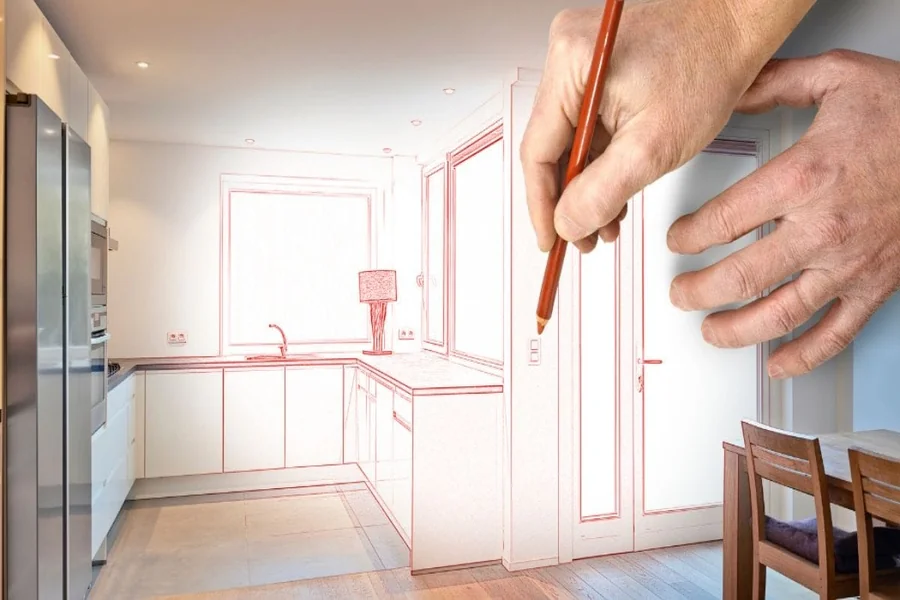
Introduction: Why Renovate Your Kitchen
Kitchen renovation is one of the most impactful ways to improve both the functionality and value of a home. As the central hub for cooking, gathering, and daily routines, the kitchen deserves thoughtful planning and design. Whether you’re updating outdated features or completely transforming the space, a well-executed renovation can enhance comfort, efficiency, and aesthetic appeal.
Defining Your Renovation Goals
The first step in any kitchen renovation is defining your goals. Some homeowners prioritize modernizing the look, while others focus on improving layout and usability. It’s important to identify what isn’t working in your current kitchen—whether it’s limited storage, poor lighting, or inefficient workflow. Establishing clear priorities helps guide decisions throughout the project and prevents unnecessary spending.
Budget Planning and Cost Control
Budgeting is another critical aspect. Custom kitchen renovations can vary widely in cost depending on the scope of work, materials, and appliances. Setting a realistic budget early on allows you to allocate funds appropriately across cabinetry, countertops, flooring, lighting, and labor. It’s wise to include a contingency fund for unexpected expenses, as hidden issues like plumbing or electrical upgrades often arise during renovations.
Designing an Efficient Layout
Layout design plays a major role in how functional your kitchen will be. The classic “work triangle” concept—positioning the sink, stove, and refrigerator within easy reach—remains a useful guideline. However, modern kitchens often expand beyond this idea to accommodate open-plan living and multiple users. Islands, peninsulas, and extended countertops can provide additional workspace and seating, making the kitchen more versatile.
Choosing the Right Cabinetry
Cabinetry is typically the most prominent visual element and a major investment. Choosing between custom, semi-custom, and stock cabinets depends on your budget and desired level of personalization. Material, color, and finish all contribute to the overall style, whether you prefer a sleek contemporary look or a warm traditional feel. Maximizing storage with pull-out shelves, lazy Susans, and vertical dividers can significantly improve organization.
Selecting Durable Countertops
Countertops must balance durability with aesthetics. Popular materials include granite, quartz, marble, and laminate, each with its own advantages. Quartz is valued for its low maintenance and resistance to stains, while natural stone offers unique patterns and textures. The choice often comes down to lifestyle needs, as some materials require more care than others.
Upgrading Appliances for Modern Living
Appliances are another key consideration. Energy-efficient models not only reduce utility bills but also contribute to a more sustainable home. Built-in appliances can create a seamless look, while smart technology adds convenience through features like remote control and automation. It’s important to select appliances that match your cooking habits rather than simply following trends.
The Importance of Proper Lighting
Lighting is frequently overlooked but can dramatically affect the kitchen’s ambiance and usability. A layered approach works best, combining ambient lighting for overall illumination, task lighting for work areas, and accent lighting to highlight design features. Under-cabinet lighting, for example, improves visibility on countertops, while pendant lights above an island add both function and style.
Flooring That Combines Style and Strength
Flooring should be durable enough to withstand heavy foot traffic, spills, and dropped items. Materials like tile, hardwood, vinyl, and laminate each offer different benefits. Tile is highly durable and water-resistant, while hardwood provides warmth and character. Vinyl and laminate are often more budget-friendly and easier to maintain, making them practical choices for busy households.
Backsplashes: Function Meets Design
Backsplashes serve both protective and decorative purposes. They shield walls from moisture and stains while adding visual interest. Options range from classic subway tiles to bold patterns and textured materials. This is an area where homeowners can experiment with design without overwhelming the space.
Open-Concept Kitchen Trends
One of the biggest trends in kitchen renovation is the move toward open-concept layouts. Removing walls to connect the kitchen with dining and living areas creates a sense of spaciousness and encourages social interaction. However, this approach requires careful planning to ensure proper ventilation, noise control, and cohesive design across the connected spaces.
Incorporating Sustainable Choices
Sustainability is also becoming increasingly important. Many homeowners are choosing eco-friendly materials, energy-efficient appliances, and water-saving fixtures. Reclaimed wood, recycled countertops, and LED lighting are just a few examples of how sustainability can be integrated into a renovation without sacrificing style.
Working with Professionals
Hiring professionals can make a significant difference in the outcome of your project. Designers, contractors, and architects bring expertise that helps avoid costly mistakes and ensures compliance with building codes. While it may be tempting to handle everything yourself, complex tasks like electrical work and plumbing are best left to qualified professionals.
Managing Time and Expectations
Timing and project management are often underestimated. A kitchen renovation can disrupt daily life, especially if it involves major structural changes. Setting a realistic timeline and preparing for temporary adjustments—such as setting up a makeshift kitchen—can help reduce stress during the process.
Balancing Trends with Timeless Design
Finally, it’s important to strike a balance between trends and timeless design. While it’s tempting to follow the latest styles, choosing elements that will remain appealing over time ensures your kitchen doesn’t feel outdated quickly. Neutral color palettes, quality materials, and classic layouts tend to age more gracefully. Thoughtfully planned modern Kitchen Renovations often combine current design elements with enduring features to achieve long-lasting appeal.
Conclusion: Creating Your Ideal Kitchen
In conclusion, a kitchen renovation is a complex but rewarding endeavor. By carefully planning your goals, budget, and design choices, you can create a space that is both beautiful and functional. Attention to detail, thoughtful material selection, and a focus on long-term usability will ensure that your renovated kitchen meets your needs for years to come.
