

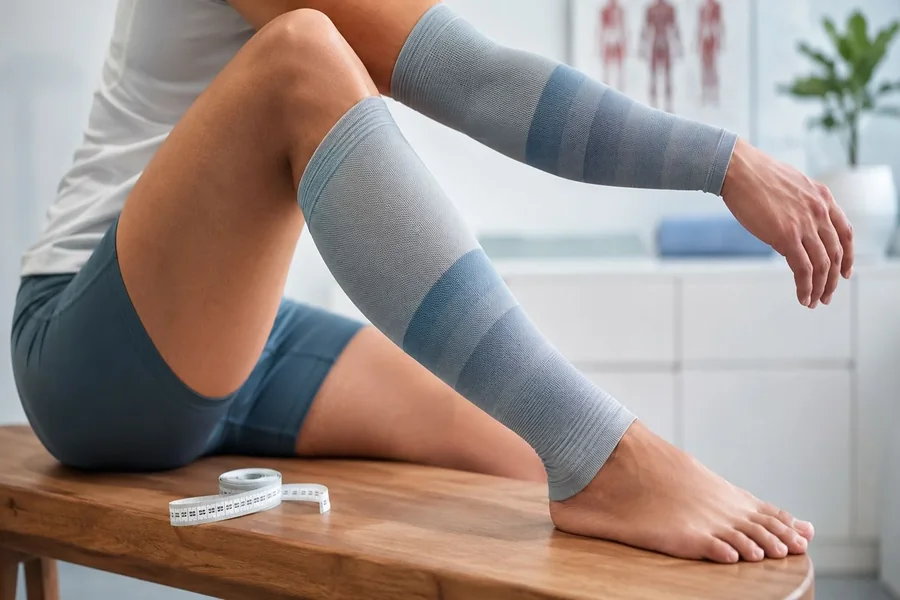
Compression gear is no longer limited to full-length tights or traditional athletic wear. Targeted sleeves give athletes a way to focus support on specific areas of the body without adding another full layer of clothing.
For women who train, travel, compete, or spend long hours on their feet, choosing the right sleeve comes down to understanding where support is needed and how the garment will be used. Arm, calf, ankle, and full-leg sleeves each serve different purposes, making it useful to match the product with the activity rather than choosing based on appearance alone.
Start With the Area You Want to Support
The simplest way to narrow down compression options is to identify the body area that needs coverage.
Arm sleeves can be useful for athletes who want targeted upper-limb compression during training. Calf sleeves concentrate on the lower leg, while ankle sleeves provide a more localized option.
For women who want coverage extending farther up the leg, a recovery leg sleeve offers a different configuration from a calf-only design.
DFND’s women’s sleeve collection currently includes Active Ax compression arm, calf, and ankle sleeves, along with Recovery Rx compression leg sleeves. The collection is designed around different training and recovery uses rather than treating every sleeve as interchangeable.
Choose Sleeves Around Your Training Routine
Different sports place different demands on the body.
A runner may prefer calf sleeves because they provide targeted lower-leg coverage without the additional fabric of full-length tights. Someone participating in an upper-body workout may instead find arm sleeves more practical.
This targeted approach can also be useful when layering. A sleeve can be worn alongside existing shorts, a sports bra, or a training top without requiring an entirely new outfit.
DFND’s Active Ax arm and calf sleeves are specifically positioned for training, while its Recovery Rx leg sleeves are intended for recovery and travel.
Consider Recovery and Travel Separately
Training and recovery are related, but they are not necessarily the same use case.
During a workout, an athlete may want a garment that stays securely in place while allowing unrestricted movement. After training, comfort and sustained compression may become more important.
Travel introduces another consideration: sitting for extended periods.
A full recovery leg sleeve can provide coverage without the waistband associated with recovery tights. DFND describes its Recovery Rx leg sleeves as using graduated compression and 105-denier Rx fabric, with a design intended to be easier to put on and remove than recovery tights.
That makes sleeve-based recovery gear an option for people who prefer targeted lower-body coverage rather than a full garment.
Pay Attention to Fit
Compression apparel should feel secure, but the right fit should not make normal movement unnecessarily difficult.
Sizing should be based on the measurements specified for the particular product rather than relying only on a usual clothing size.
For example, DFND’s women’s Active Ax calf sleeves use calf measurements to determine sizing, with options ranging from XS through XXL.
This is especially important with targeted compression because the sleeve needs to remain positioned correctly during movement.
Before ordering, check the product’s measurement guide and compare it with your own measurements.
Think About Fabric and Breathability
Compression is only one part of the wearing experience.
Athletes may use sleeves during workouts where heat and perspiration are unavoidable, so fabric construction can affect comfort. DFND describes its women’s compression collection as using breathable, moisture-wicking circular-knit fabrics designed to provide compression without unnecessary bulk.
The right combination of stretch, breathability, and compression can make a sleeve easier to incorporate into regular training.
This becomes particularly relevant for athletes who wear compression gear for longer sessions rather than only during short workouts.
Match the Sleeve to the Level of Coverage You Prefer
Not everyone wants the same amount of compression clothing.
Some athletes prefer a small, targeted sleeve because it leaves most of the body uncovered. Others may want a larger recovery garment that extends farther up the leg.
An athlete can choose an arm sleeve for one activity, calf sleeves for another, or a recovery leg sleeve when additional coverage is preferred.
DFND’s women’s collection also includes compression socks, tights, shorts, shirts, and sports bras, so sleeves can be combined with other compression garments depending on the training routine.
Conclusion
Instead of buying compression apparel based solely on trends, consider the activities you actually perform throughout the week.
A runner might prioritize calf sleeves and compression socks. Someone who combines strength training with travel could benefit from having both targeted training sleeves and recovery-oriented leg sleeves. An athlete who frequently trains outdoors may also consider how the garment fits into their broader clothing and layering system.
The goal is to choose pieces that have a clear role in your routine.
For women looking for targeted support during training, recovery, or travel, women’s compression sleeves provide a flexible alternative to full-body compression garments. DFND’s range gives shoppers options across the arms, calves, ankles, and legs, allowing the type and coverage of compression to be matched to the activity.
When fit, intended use, coverage, and fabric are considered together, a compression sleeve becomes more than an extra piece of athletic clothing; it becomes a practical part of a personalized training and recovery setup.
