

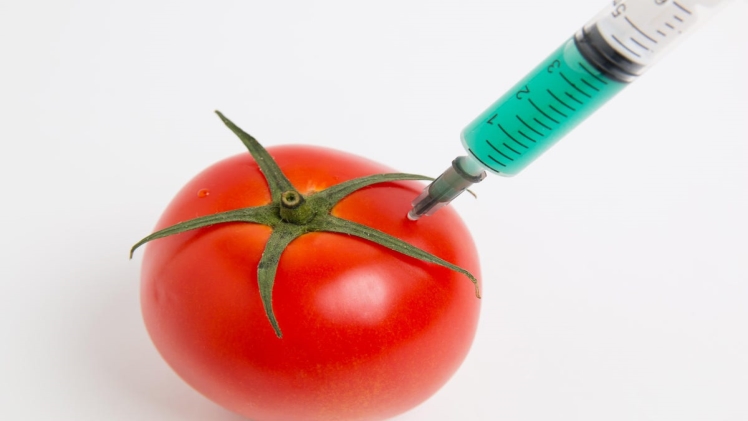
Various enzymes are used as processing aids in the food industry. Examples include acetoacetate decarboxylase, α-amylase, amylo-l,6-glucosidase, chitosan, lactase and autogenic α-amylase (Table 1.11), many of which are produced as recombinant proteins using genetic engineering techniques. Recombinant expression has the advantage of providing consistent enzyme preparations since expression cultures can be maintained indefinitely, and it is not dependent on natural sources (e.g. from calf stomachs).
In addition to recombinant enzymes, microbial enzymes are also used, e.g. microbial Lipids are organic compounds characterized by little or no solubility in water and are the basic units of all organisms’ membranes, the substituent of lipoproteins and the energy storage form of all animals. The basic units of lipids are fatty acids (FAs), simple hydrocarbon chains of varying length with a carboxylic acid group at one end.
Other enzymes include lactase, which is well accepted by the dairy industry for the production of lactose-free milk for lactose-intolerant consumers, and amylases, which are used for the production of high-fructose corn syrup and as an anti-stalling agent for bread.
In foods, most lipids exist as triglycerides (TGs), making up 98% of food lipids. The name triglyceride refers to its biochemical structure consisting of a glycerol having three FAs bound at its hydroxyl groups. TGs are the primary energy storage form in animals, seeds and certain fruits (e.g. avocado and olive). In comparision to carbohydrates,
Lastly comment
TGs provide more than double the energy, on a dry basis (9 kcal/g vs. 4 kcal/g). Food TGs also provide mouthfeel and satiety as well as aid in the provision and absorption of fat-soluble vitamins (i.e. A, D, E and K). In terms of food structure, TGs play critical roles in the structures of emulsified food products (oil and water mixtures) like ice cream and chocolate.
